The BCRF Collection
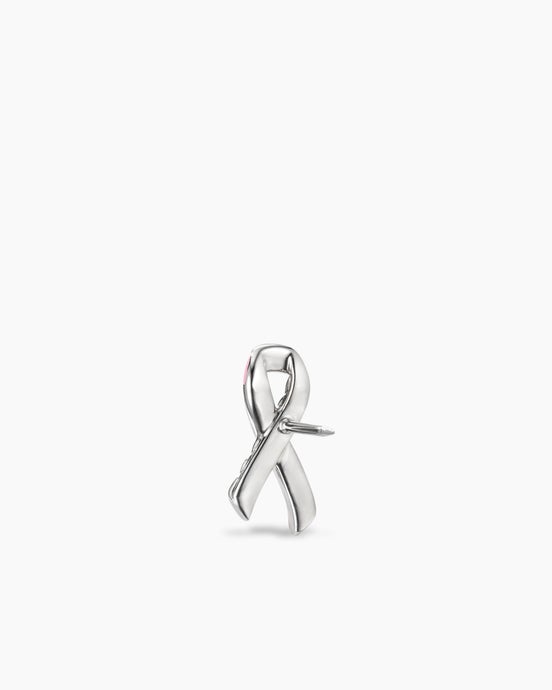
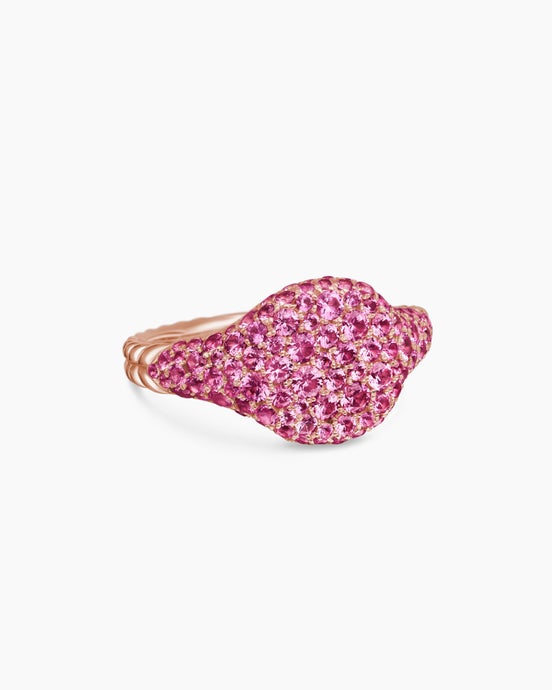
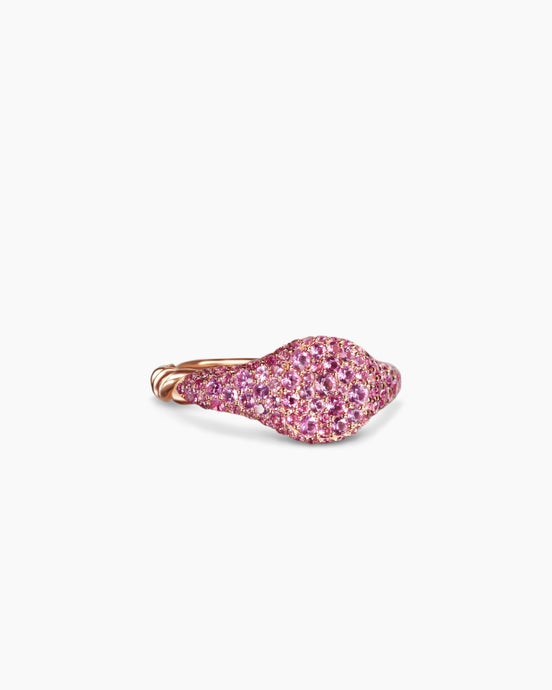
David Yurman is proud to partner with the Breast Cancer Research Foundation® for the 18th year, supporting its mission to prevent and cure breast cancer by advancing the world’s most promising breast cancer research. Discover iconic designs that help advance this lifesaving work.*







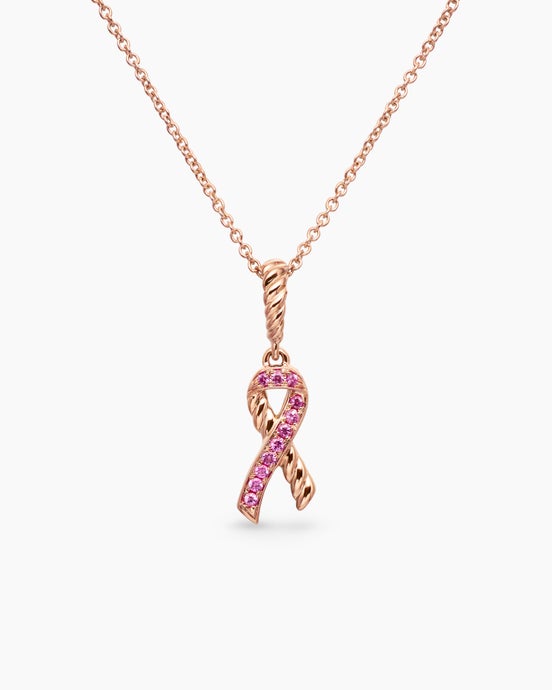

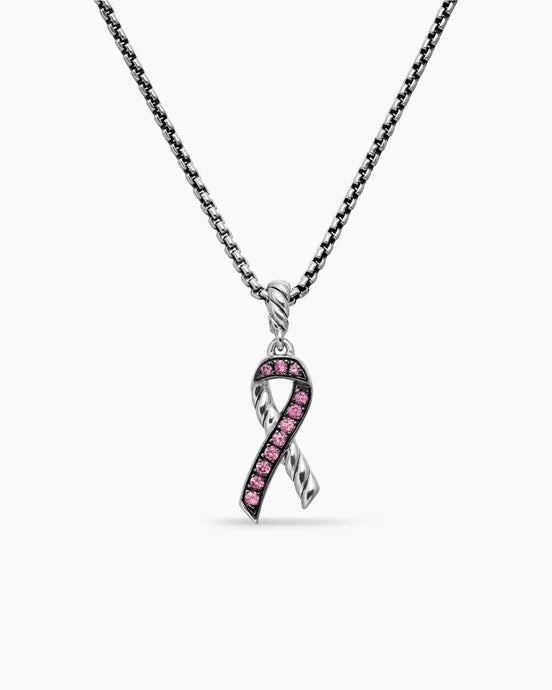

The David Yurman Award
For Breast Cancer Research
To date, David Yurman has donated more than $3.5 million to the Breast Cancer Research Foundation®, helping advance breakthroughs in breast cancer prevention, diagnosis, treatment, survivorship, and metastasis.
The David Yurman Award for Breast Cancer Research is presented each year when annual donations reach $250,000 or more. Every contribution, no matter the amount, helps drive lifesaving discoveries.





Charitable


Charitable


Leading The Way Forward
Meet two New York-based researchers whose work is advancing new approaches to breast cancer treatment: Dr. Hayley McDaid, who studies triple-negative and BRCA-driven breast cancers, and Dr. Sarat Chandarlapaty, a member of the BCRF Scientific Advisory Board who investigates why certain breast cancers become resistant to treatment. Below, they discuss their areas of research the new therapeutic approaches they’re developing to overcome treatment resistance.

DR. McDAID: Triple-negative breast cancer (TNBC) remains one of the most recalcitrant forms of breast cancer, particularly for patients who have inherited mutations in the BRCA1/2 genes. While drugs such as taxol are still effective for these patients, response rates are lower, and patients can become resistant to them, leading to relapse or metastasis. Research shows that after therapy, some breast cancer cells aren’t killed, but become dormant and may resume growth later. My lab is developing novel drugs that can induce cancer cell death particularly in TNBCs that no longer respond to drugs like taxol/paclitaxel. Another new benefit of these drugs is inducing a very stable form of dormancy that limits the ability of surviving tumor cells to grow back, or to metastasize. We are hopeful that this approach can help women with recalcitrant disease who need additional treatment choices.
DR. CHANDARLAPATY: We focus on two major types of breast cancer: those that have the receptor for the estrogen hormone, and those that have the HER2 receptor. Our lab is interested in understanding how these cancers evolve and develop resistance to anti-estrogens, CDK4/6 inhibitors, and anti-HER2 therapies, and then devising ways to combat these patterns of resistance. For instance, we found that breast cancers exposed to antiestrogen therapy develop mutations that cause the estrogen receptor to remain active, even without any estrogen. So we developed and studied drugs that can target those mutant estrogen receptors. At the same time, we’re studying the evolutionary process that allows breast tumors to develop resistance before it fully emerges. Our goal is to develop treatment strategies that can intervene earlier and potentially prevent resistance from developing in the first place.

The Breast Cancer Research Foundation is dedicated to preventing and curing breast cancer by advancing the world’s most promising research. This year, BCRF is the largest private funder of breast cancer research worldwide.
*Through July 31, 2027, David Yurman will donate to BCRF 100% of the net proceeds from the sale of each Pink Rubber Bracelet ($16.40 for online purchases or $24.30 for in-store purchases) and 20% of the retail sale price from select styles. Minimum guaranteed donation: $25,000.