Guide To Gemstones
Explore different types of gemstones, their symbolic meanings, and the art of selecting jewelry that reflects both beauty and personal significance.
June 30, 2026

The David Yurman Guide To Gemstones
At David Yurman, gemstones are integral to our language of design. Each gemstone tells a story and is hand-selected for its natural color, sculptural form, and symbolic meaning.


Types Of Gemstones And Their Meanings
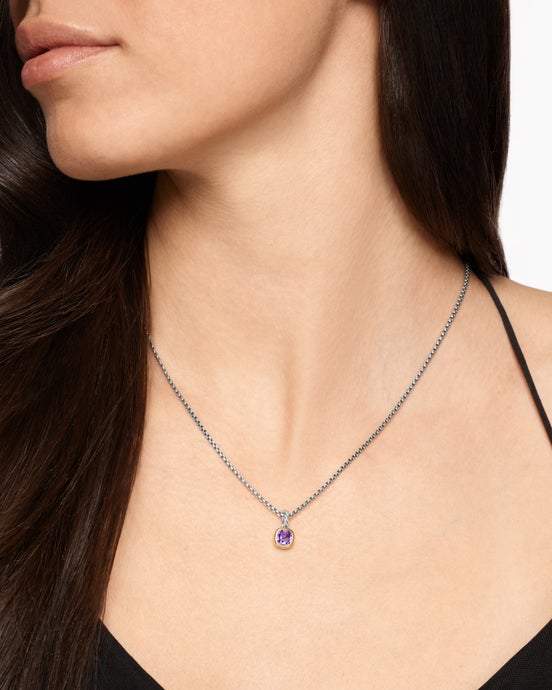
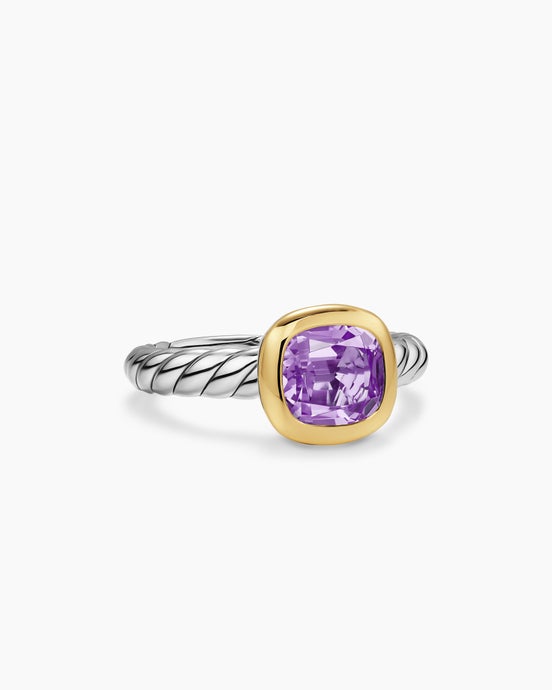
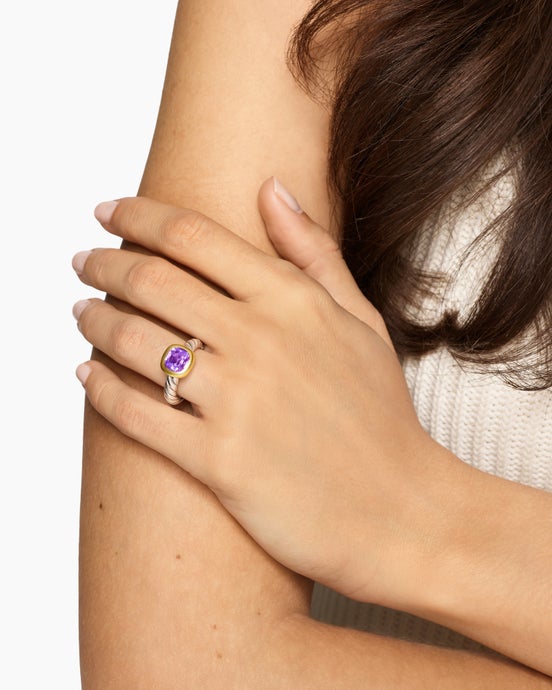
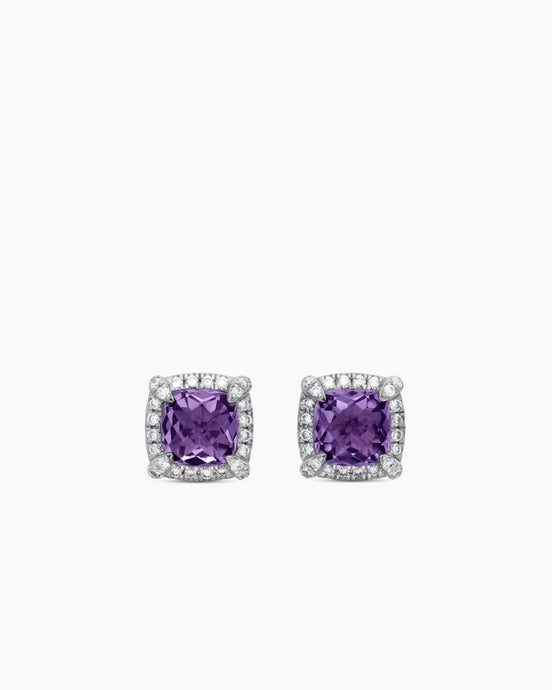
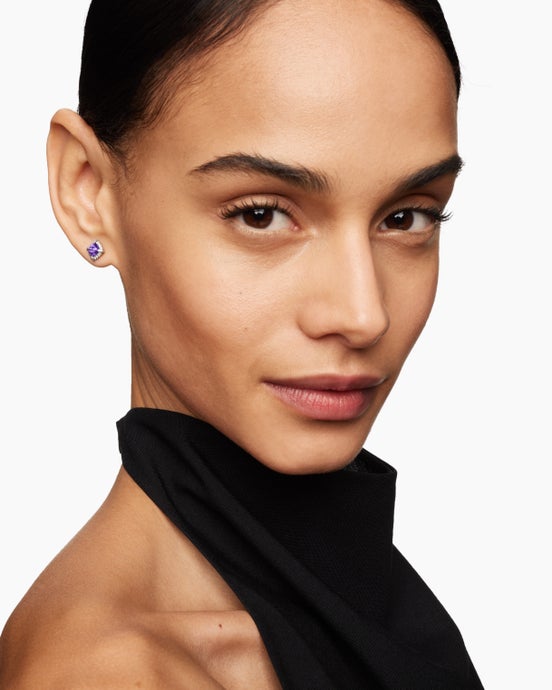
Amethyst

Amethyst
Color range: Soft lilac to deep royal purple
Mohs scale hardness: 7
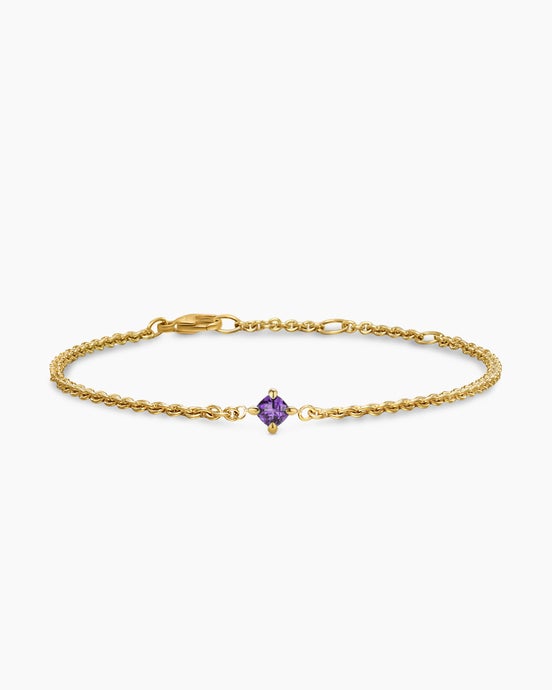
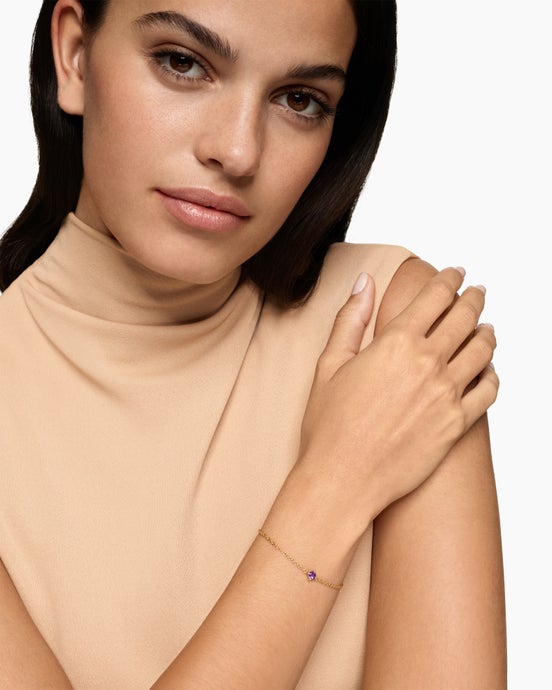
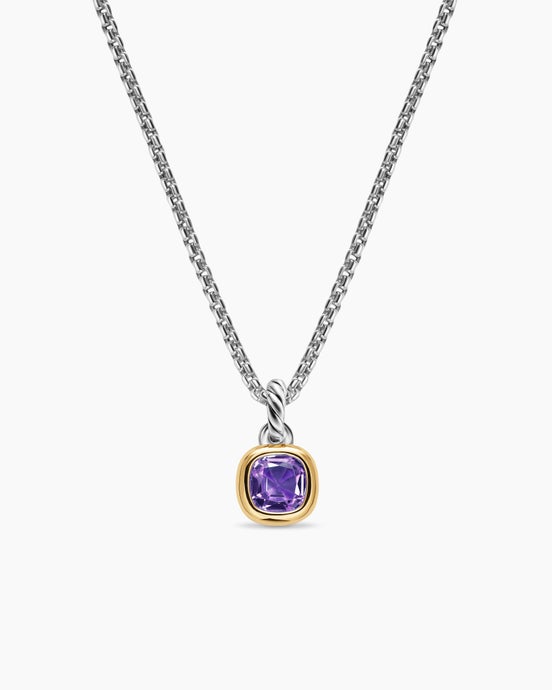
A purple variety of quartz, amethyst is prized for its brilliant luster and violet hue, ranging from soft lavender to Byzantine purple. Deeply treasured in ancient societies, amethyst has long represented clarity, balance, and royalty. Formed deep within volcanic geodes over millions of years, amethyst is often characterized by striking, prismatic crystals—each one a sculptural expression in its natural form.

Aquamarine

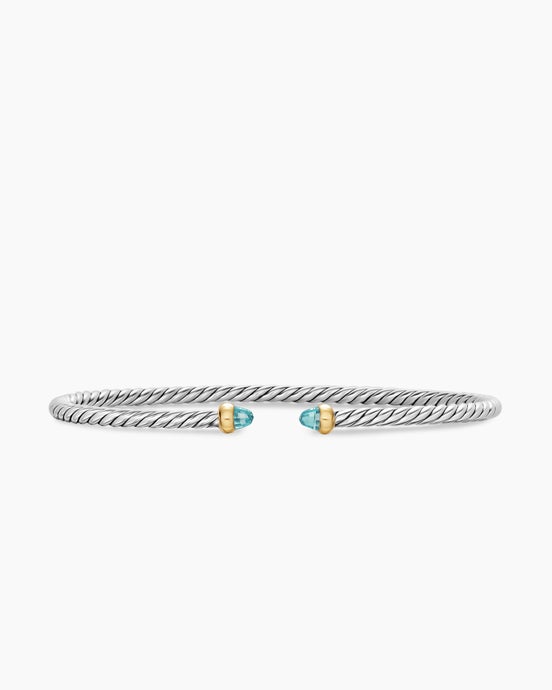
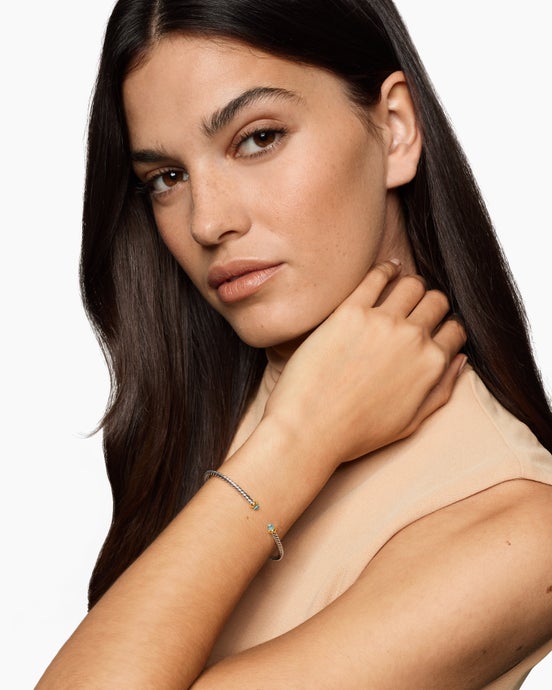
Aquamarine
Color range: Sky blue to aquatic teal
Mohs scale hardness: 7.5-8
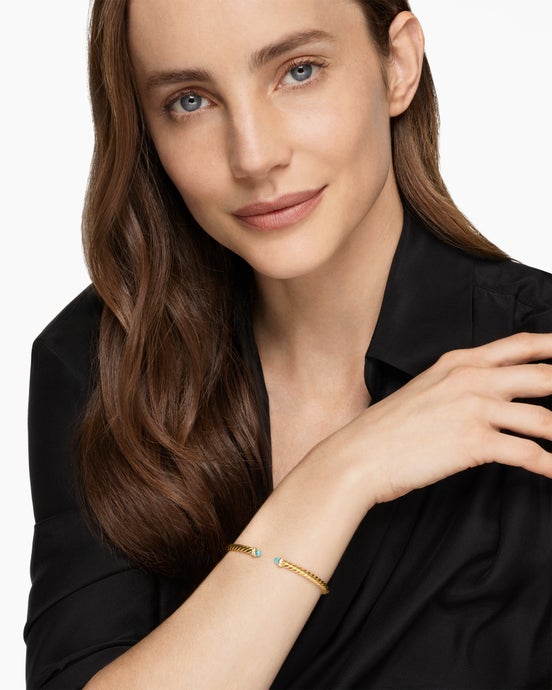
Aquamarine is a variety of beryl with exceptional clarity and natural brilliance. Meaning “water of the sea” in Latin, aquamarine represents serenity, renewal, and protection. Historically, aquamarine amulets bearing Poseidon—the Greek god of the sea—were worn by ancient sailors and believed to ensure safe passage.

Blue Topaz

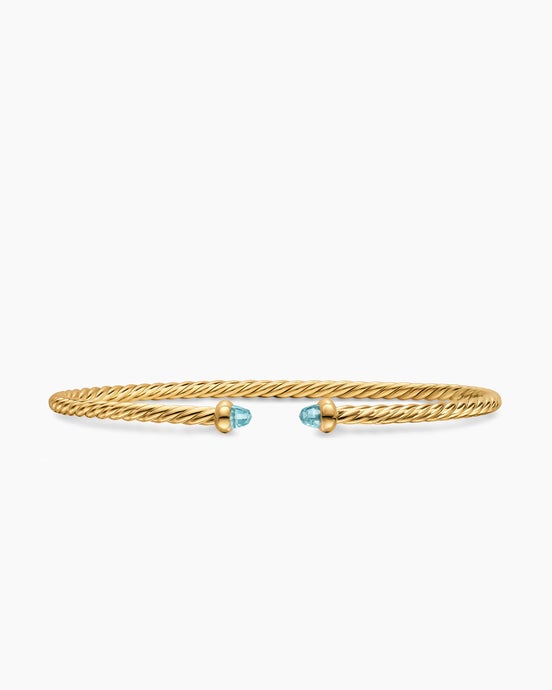
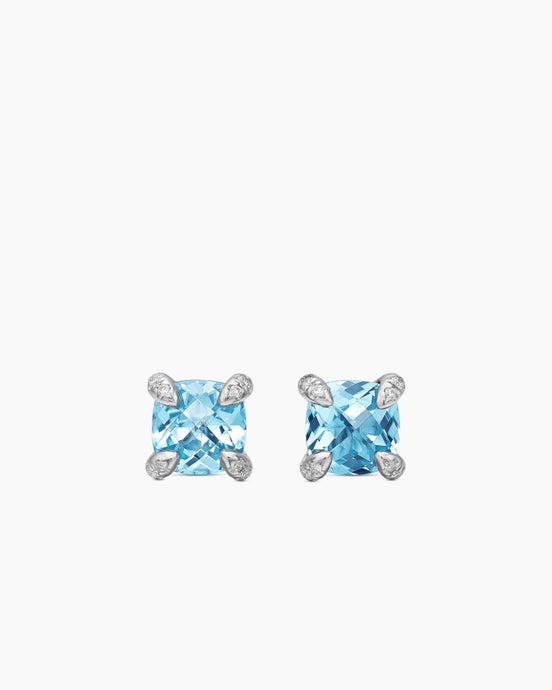
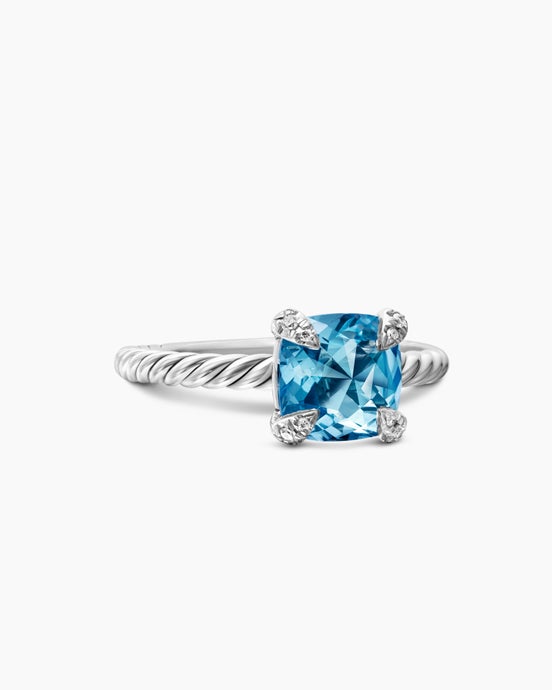
Blue Topaz
Color range: Sky blue to aquatic teal
Mohs scale hardness: 8
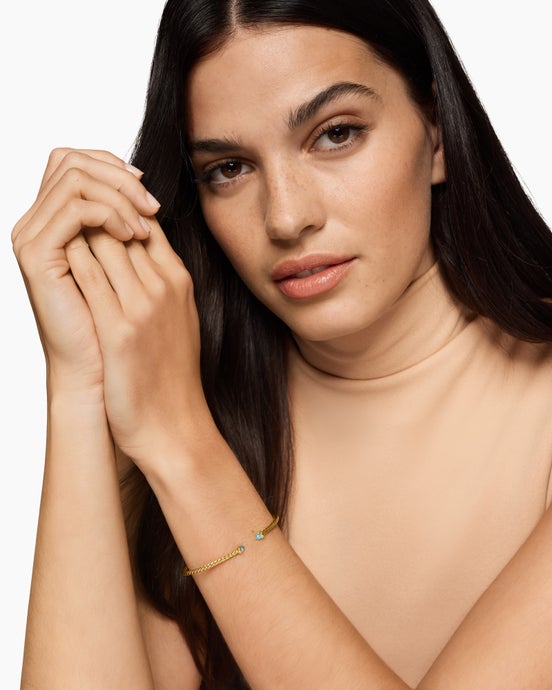
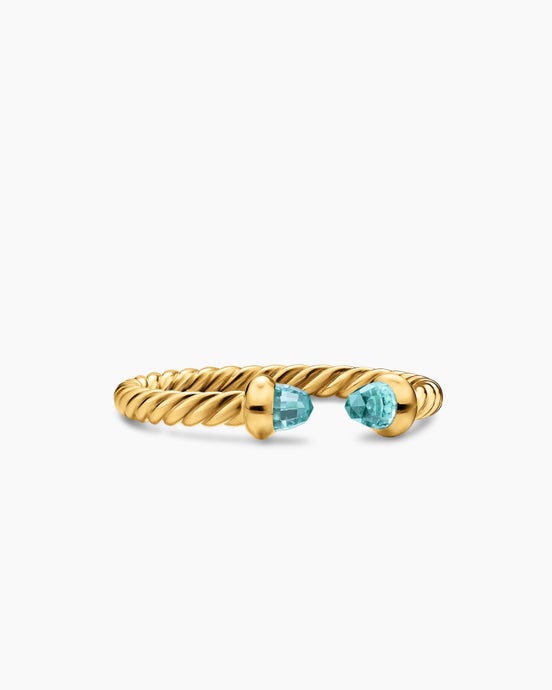
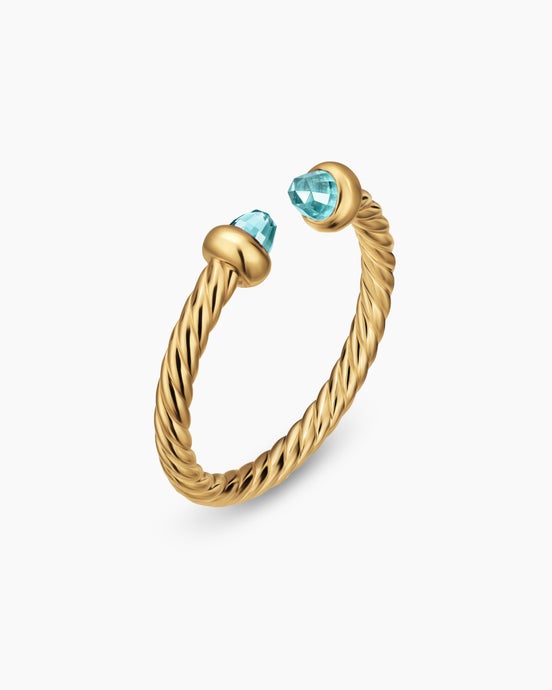
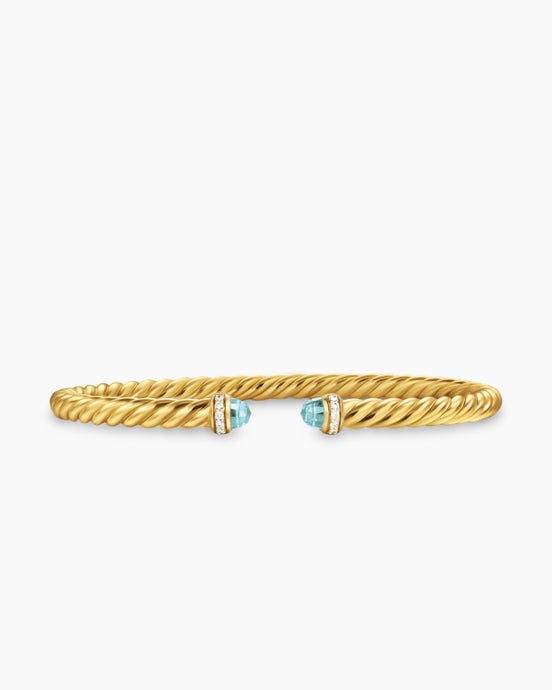
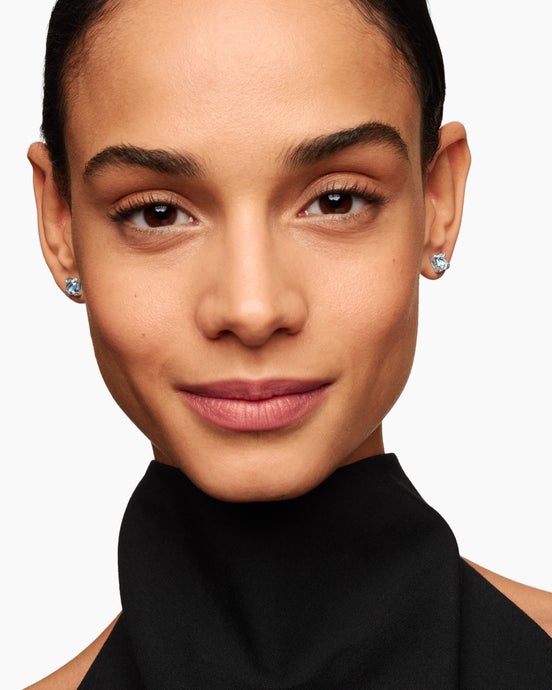
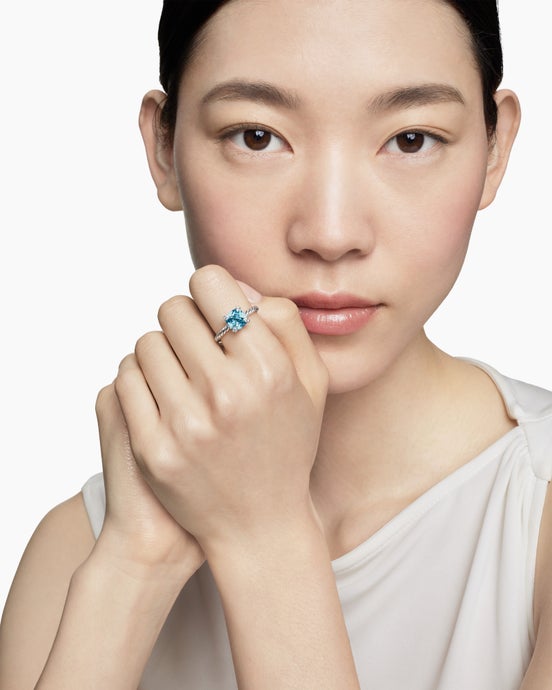
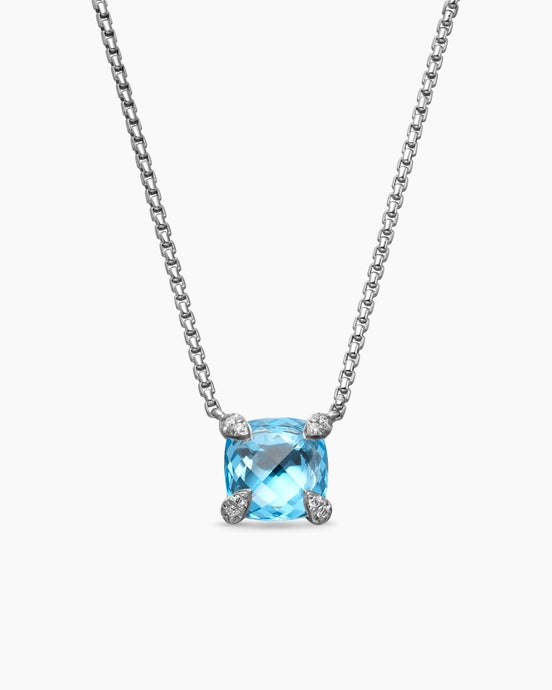
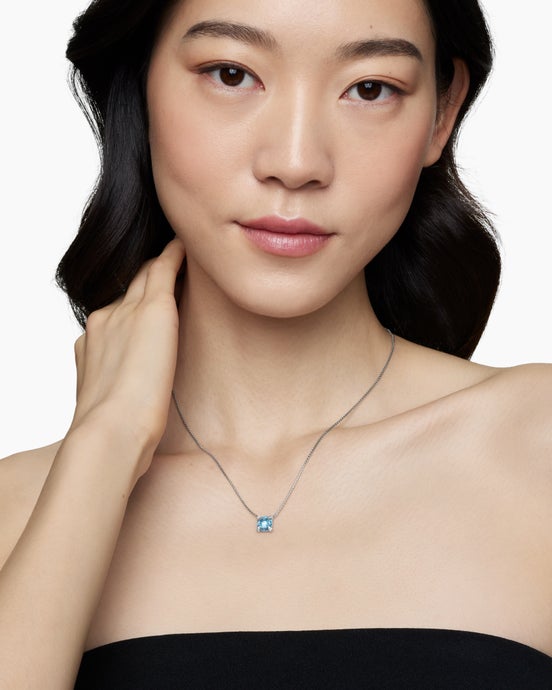
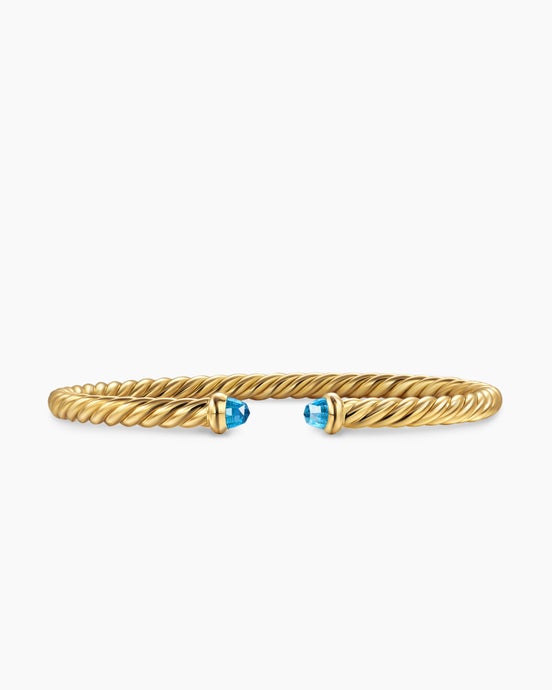
Chosen for its exceptional clarity, topaz is often colorless, exuding a glass-like luster and an impressive ability to reflect light. Its luminous blue hue—as seen in our sky blue topaz and Hampton blue topaz—is produced through irradiation and heat treatment, evoking the tranquility of clear skies and still waters.

Citrine

Citrine
Color range: Pastel yellow to golden amber
Mohs scale hardness: 7
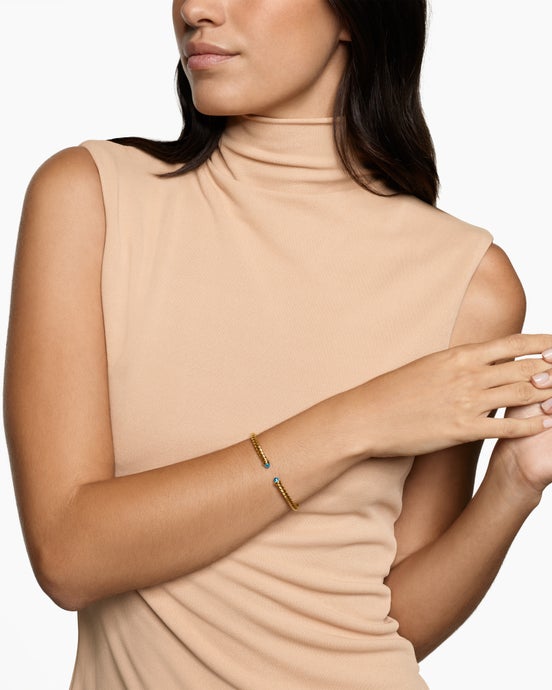
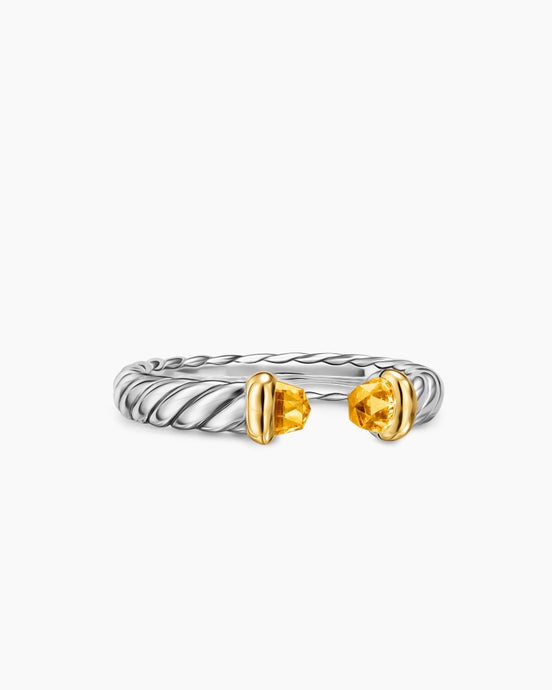
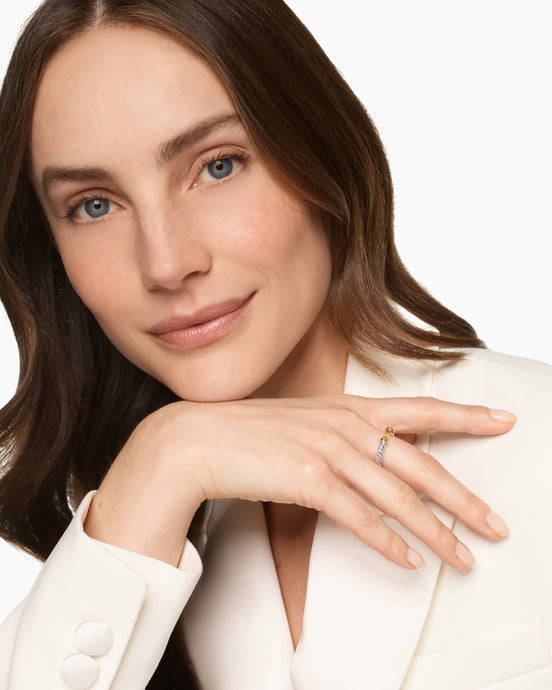
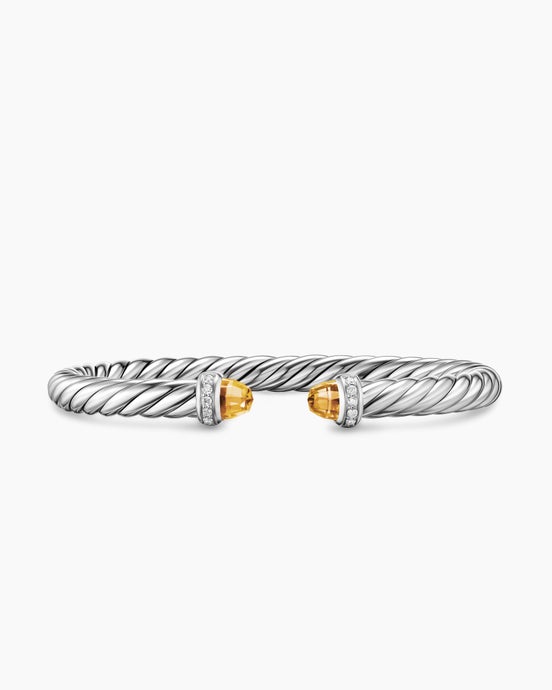
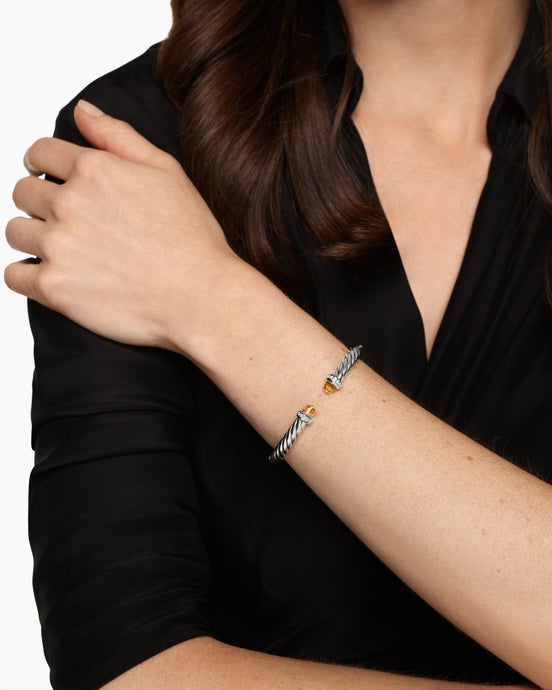
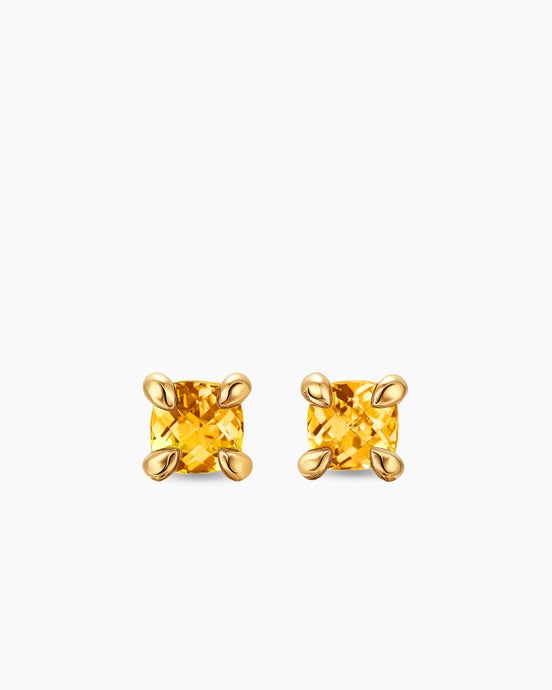
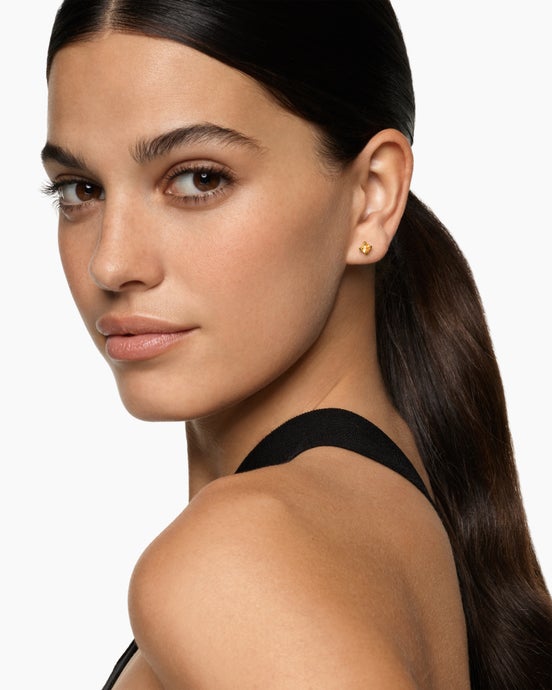
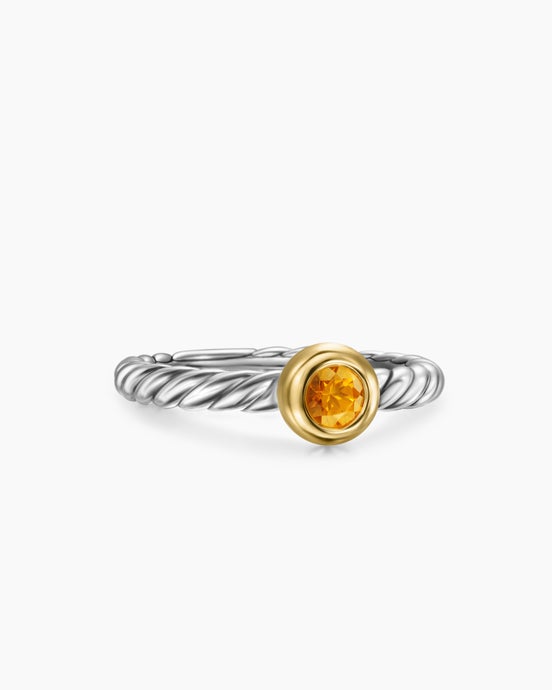
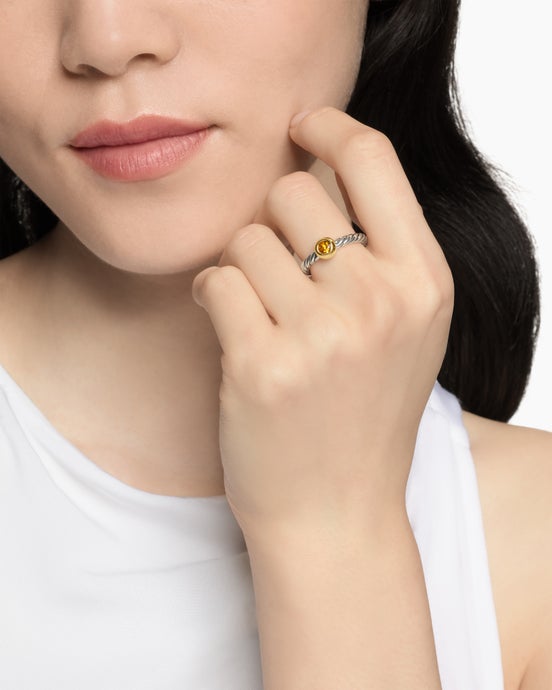
A yellow variety of quartz, citrine is beloved for its warm sunlit hue—from the creamy beige tone of our Champagne citrine to the amber glow of Madeira citrine. Regarded as the “stone of success,” citrine is often associated with joy and abundance. Formed inside volcanic cavities over the course of millennia, citrine’s golden tone results from trace amounts of iron.

Diamond

Diamond
Color range: Colorless to volcanic black
Mohs scale hardness: 810
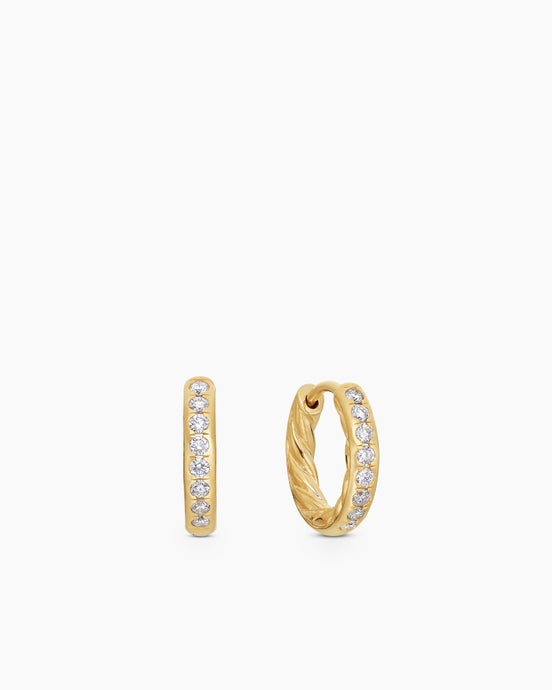
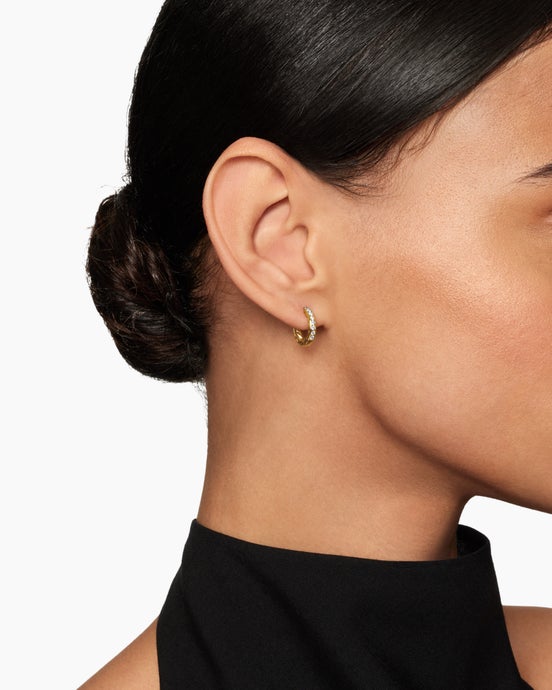
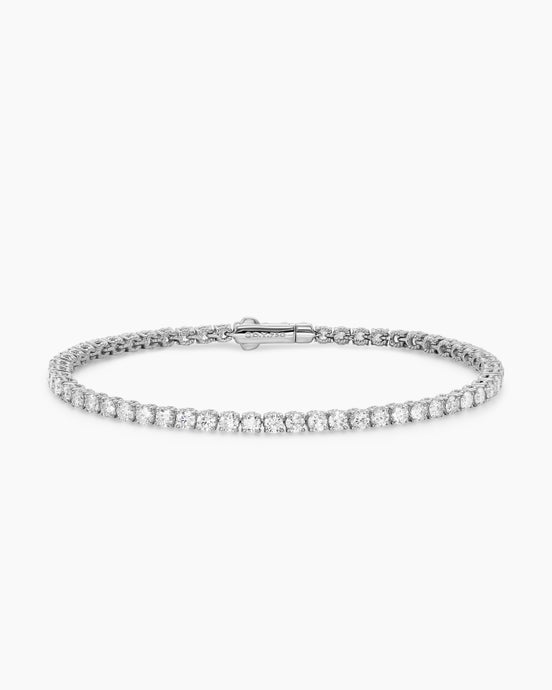
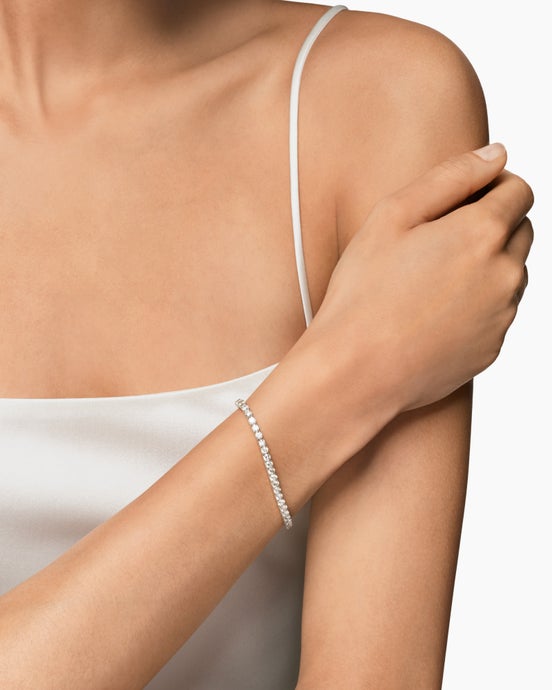
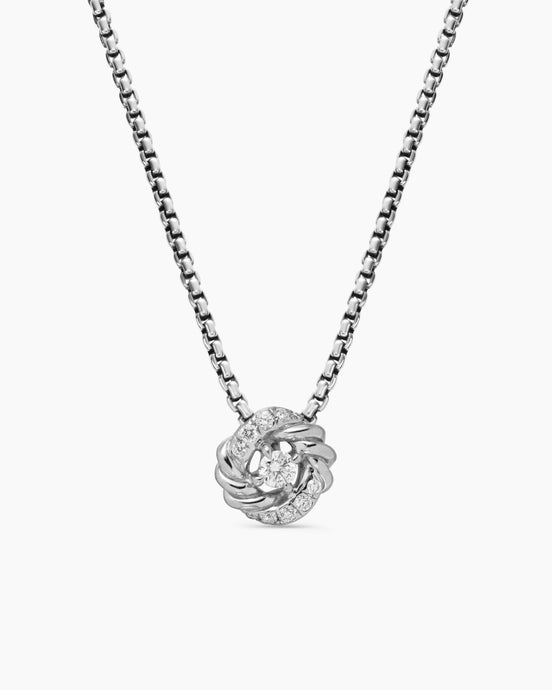
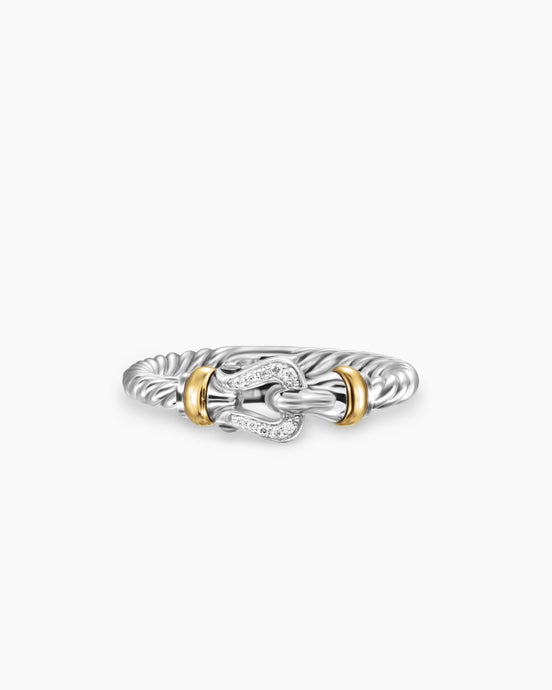
Arguably the most revered and precious of all gemstones, the diamond is a legendary symbol of love and devotion. Derived from the Greek word adamas meaning “unconquerable,” the diamond is the hardest mineral on Earth. Forged under extreme pressure over billions of years, the diamond is prized for its captivating brilliance and exceptional durability. At David Yurman, each diamond is masterfully cut to maximize its scintillation—from engagement diamonds to brilliant, cognac, and black diamond pavé, meticulously set by hand.

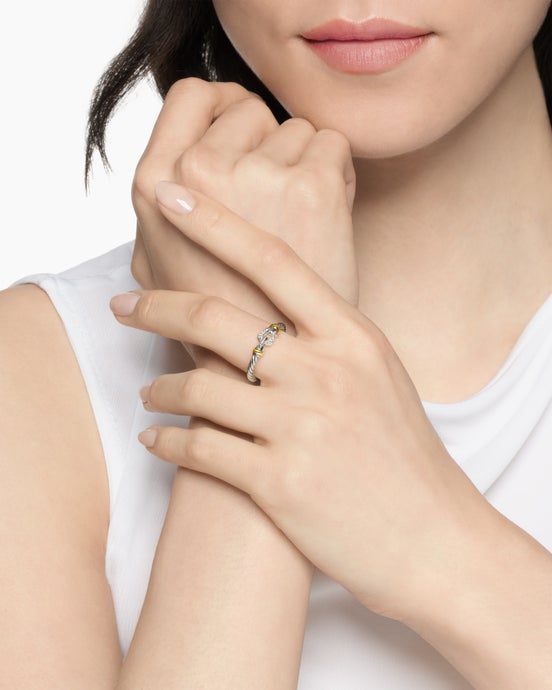
Emerald

Emerald
Color range: Laurel green to deep vivid green
Mohs scale hardness: 7.5-8
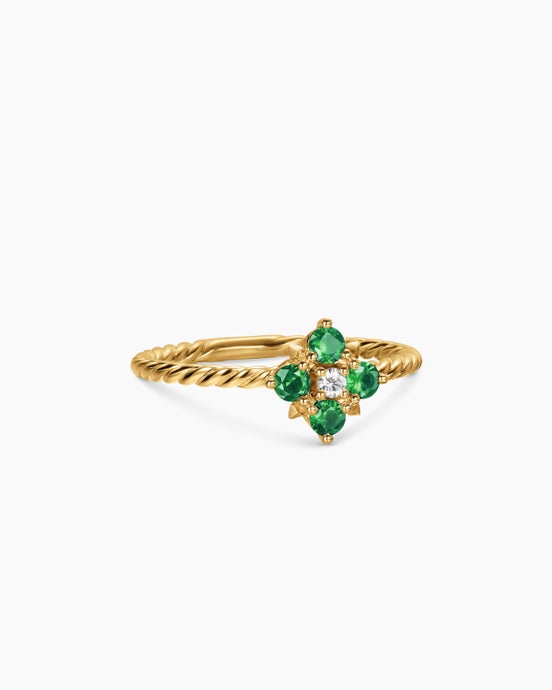
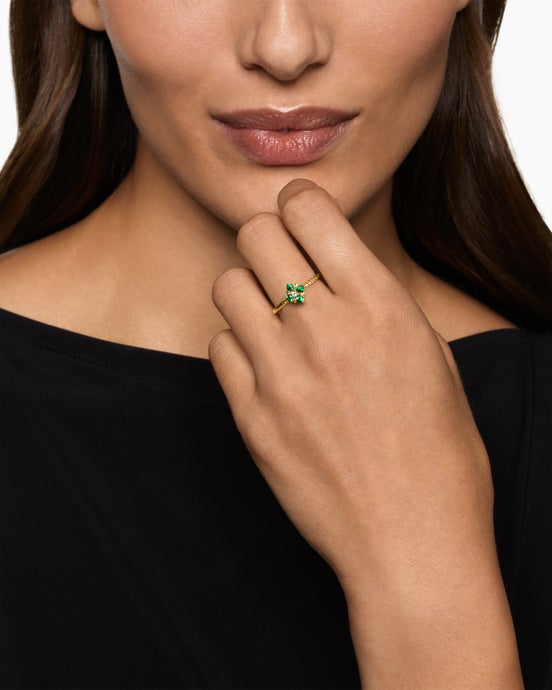
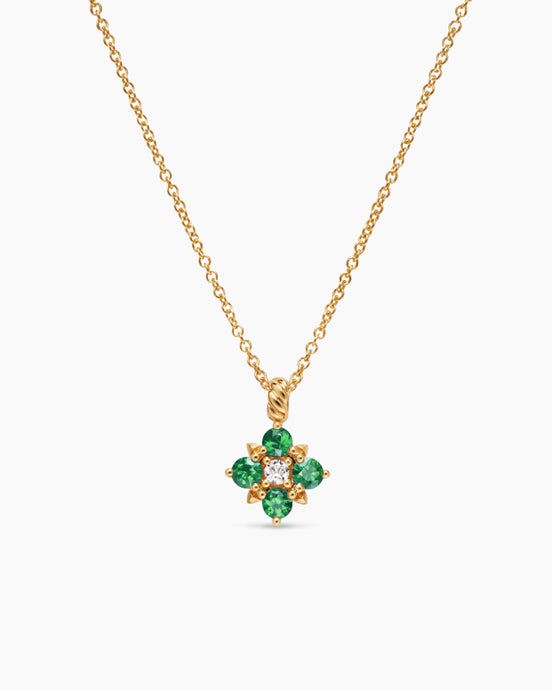
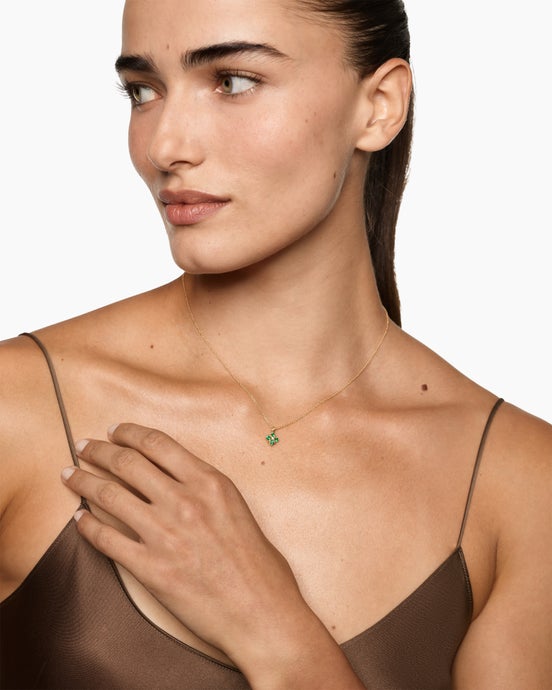
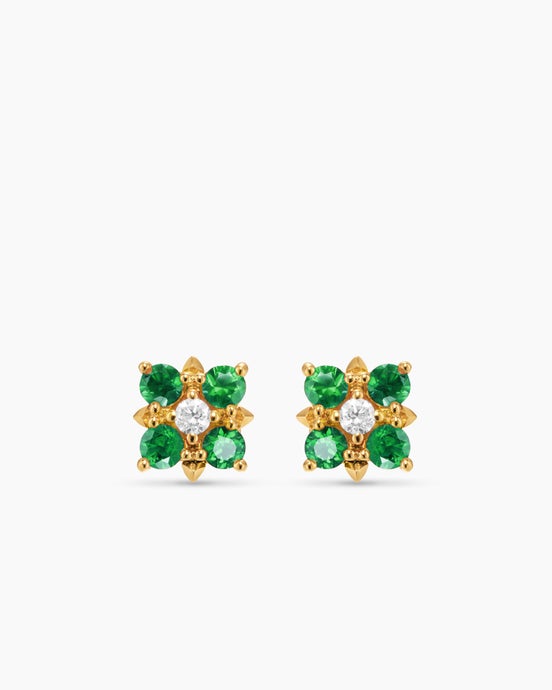
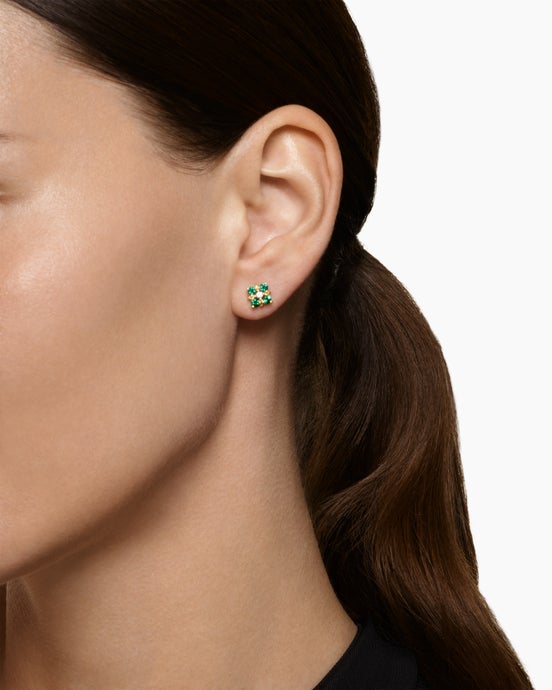
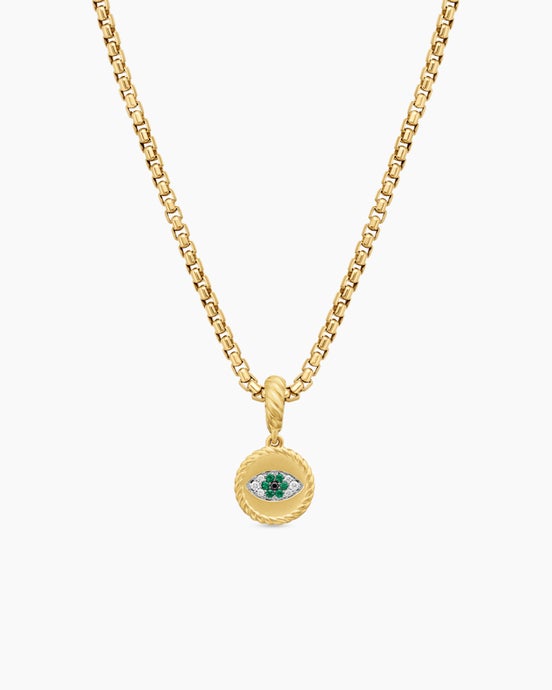
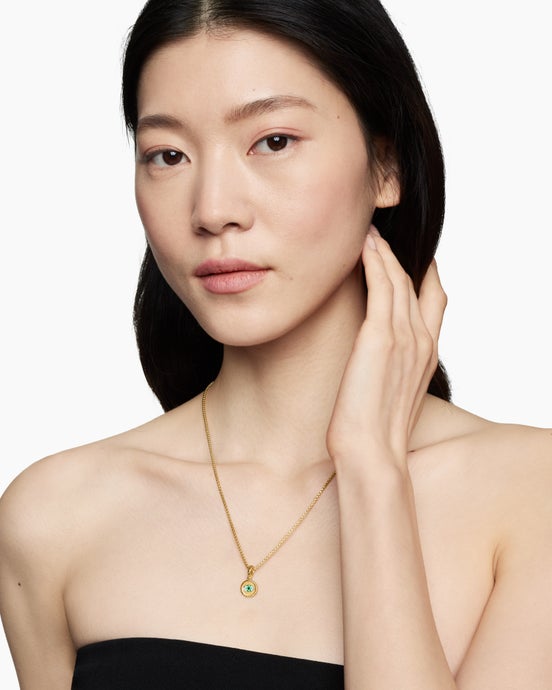
A deep green variety of beryl, the emerald is one of the “Big Four” precious gemstones, alongside diamonds, rubies, and sapphires. Revered since antiquity, the emerald is cherished for its radiant green hue, representing growth, vitality, and new beginnings. Formed deep within the Earth under extraordinary conditions, the emerald’s richly saturated color is attributed to traces of chromium and vanadium, which imbue the crystal with its rare luminosity.

Garnet

Garnet
Color range: Raspberry red to deep crimson
Mohs scale hardness: 6.5-7
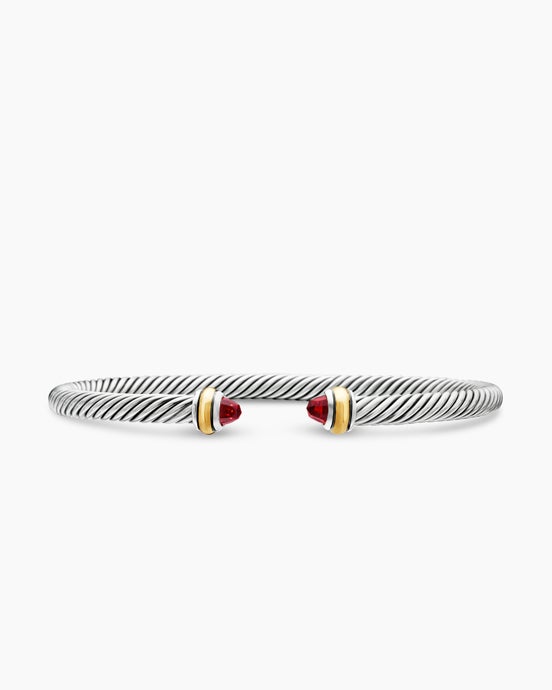
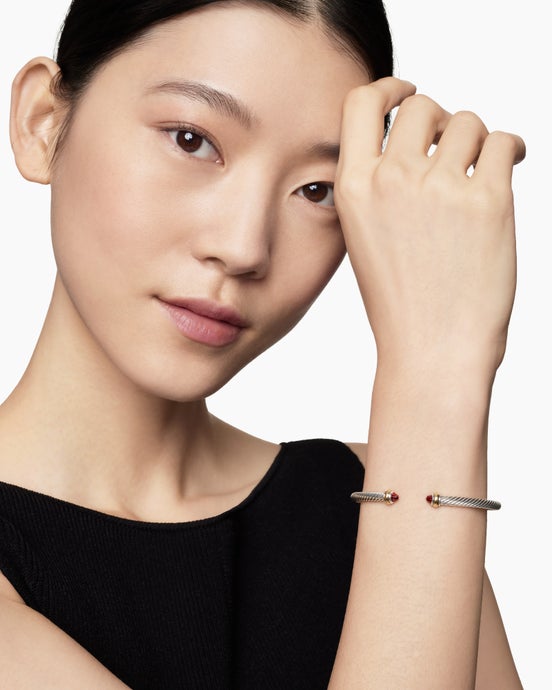
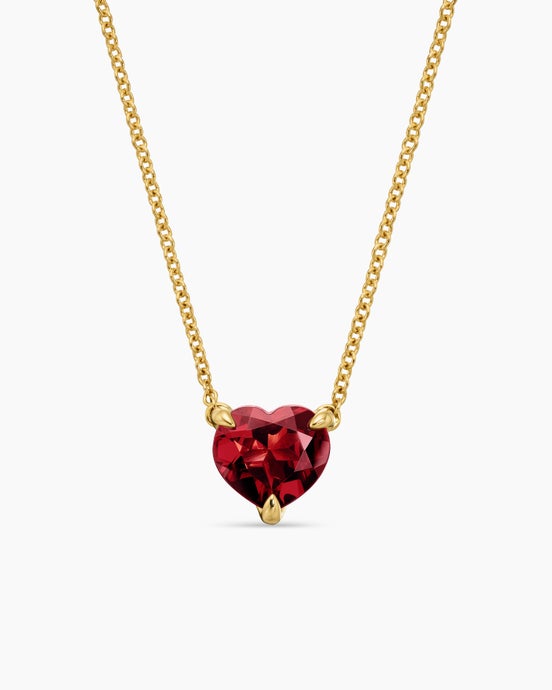
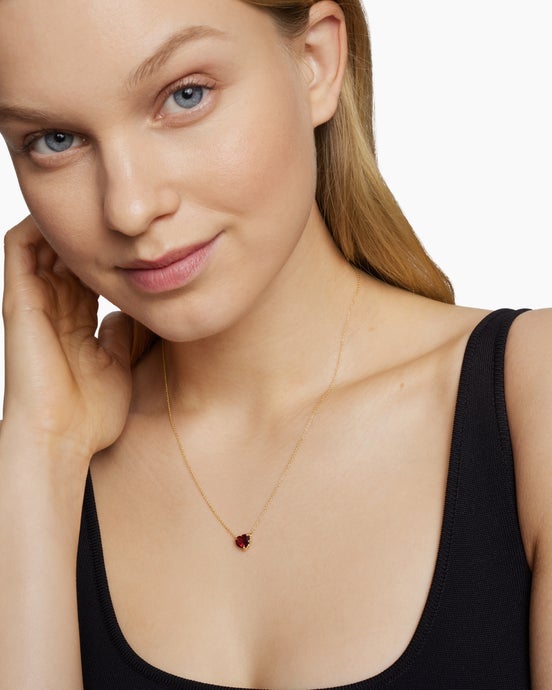
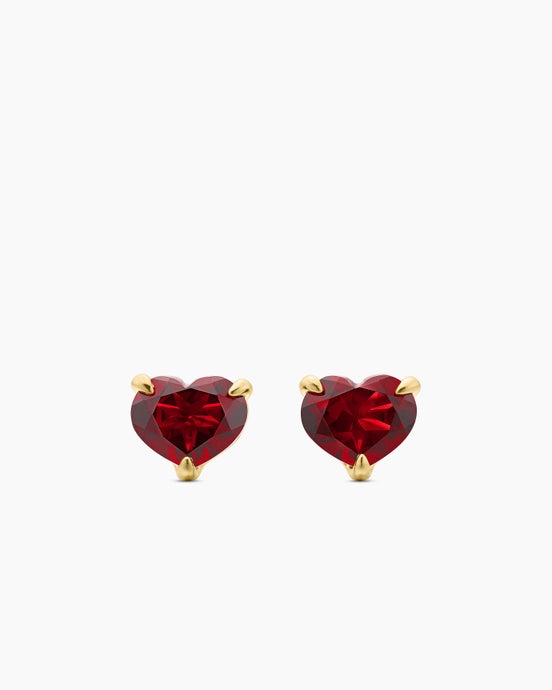
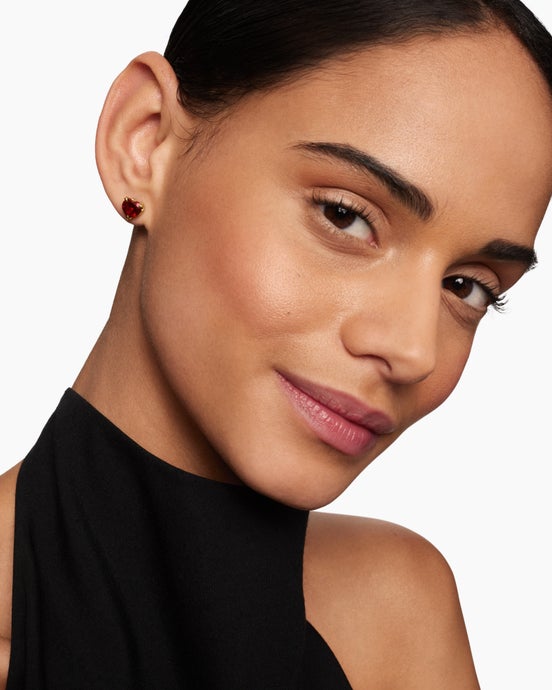
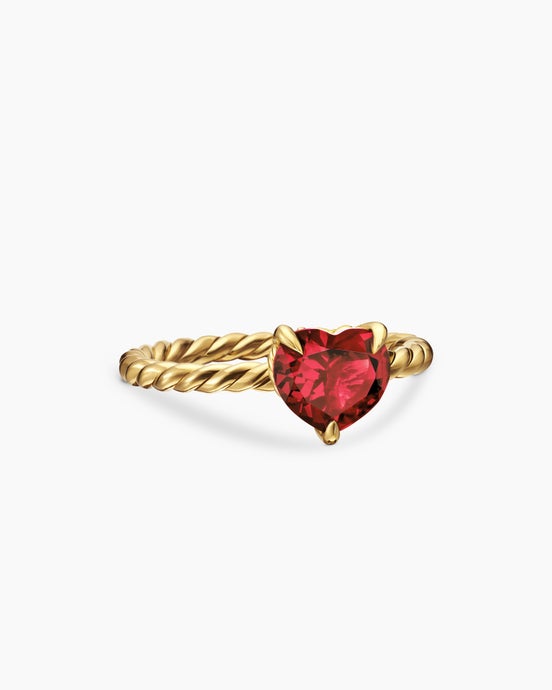
Although the burgundy garnet—known as Bohemian or pyrope garnet—is celebrated for its rich red hue, this jewel occurs in a spectrum of colors and varieties, ranging from raspberry-red rhodolite to vibrant green tsavorite. Worn as a protective talisman in ancient times, the garnet is associated with protection, strength, and grounding energy. Chosen for their exceptional brilliance and fire, garnets boast a remarkable ability to refract light.

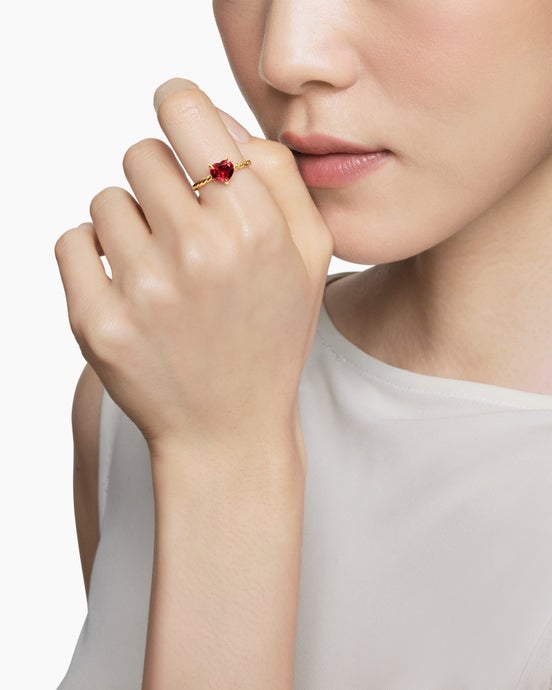
Ruby

Ruby
Color range: Light fuchsia to vivid red
Mohs scale hardness: 89
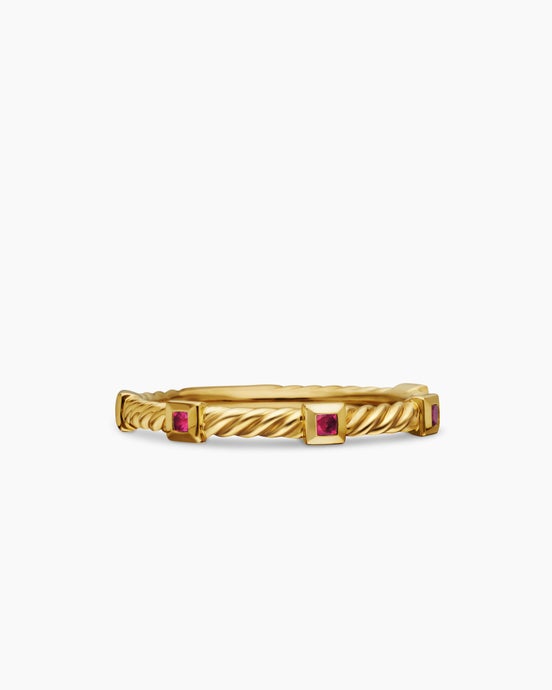
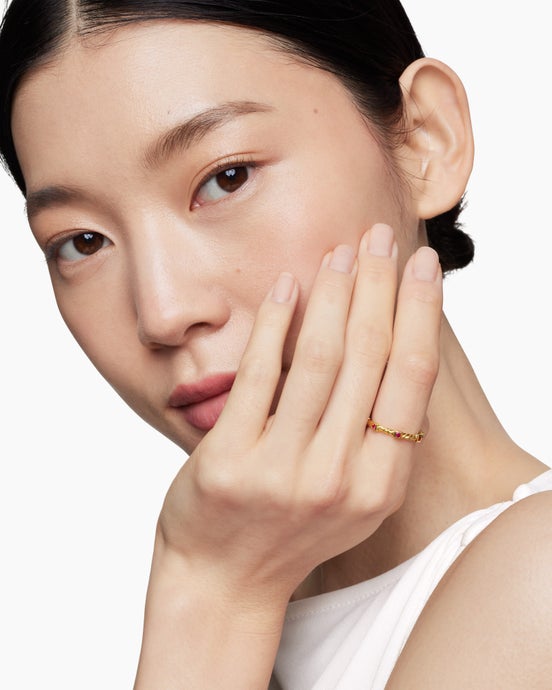
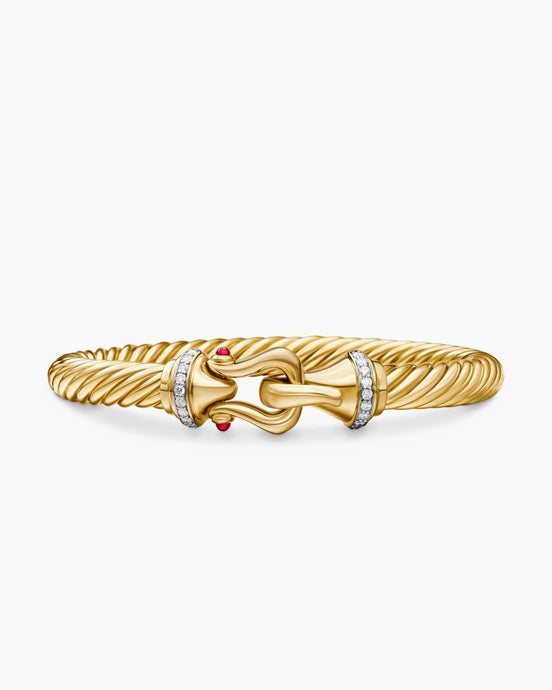
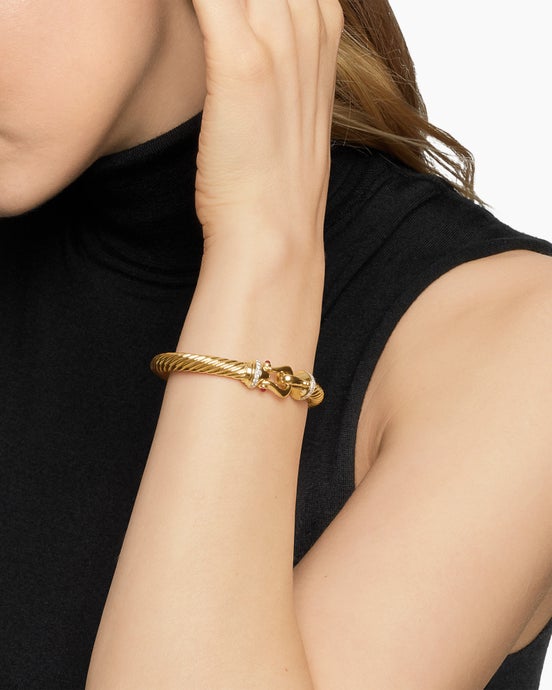
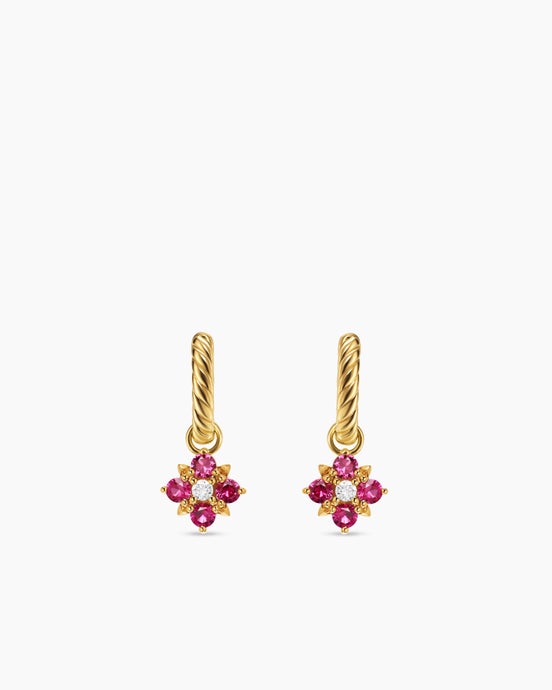
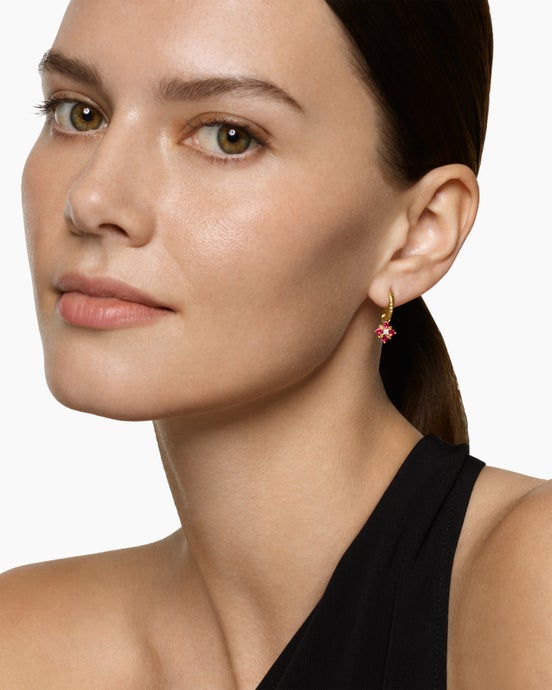
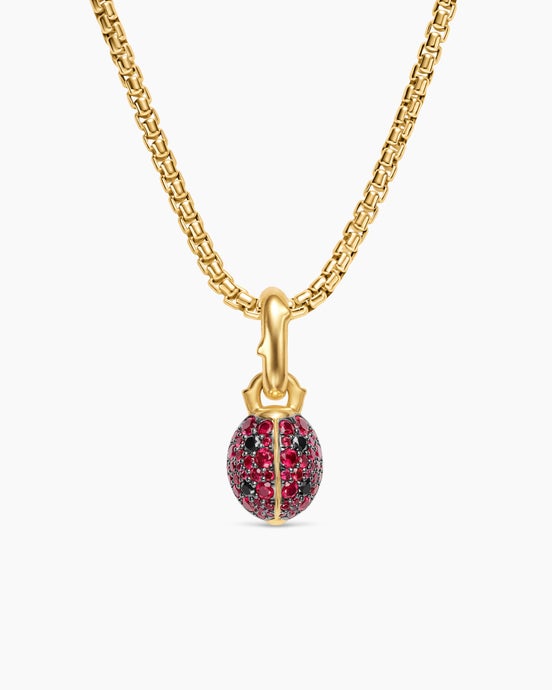
Ruby is the red variety of corundum—an exceptionally durable mineral—and one of the most precious gemstones in the world. Derived from the Sanskrit word ratnaraj, which means “king of precious stones,” rubies are treasured for their exceptional scarlet hue and fiery brilliance, symbolizing passion, courage, and desire.

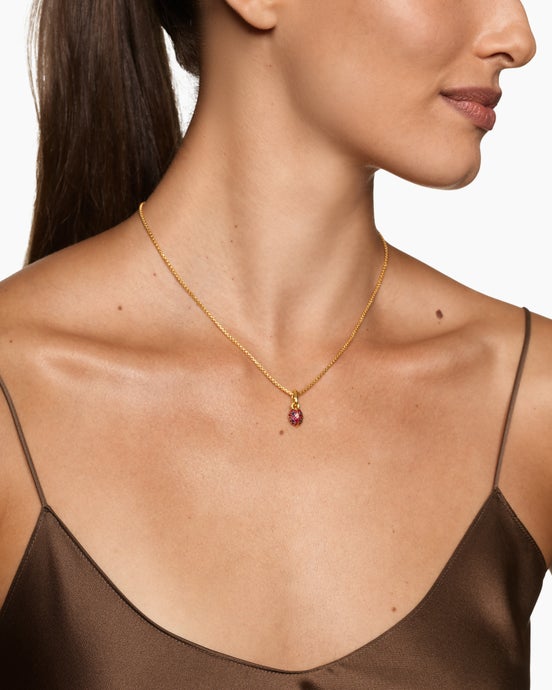
Sapphire

Sapphire
Color range: Light ultramarine to royal blue
Mohs scale hardness: 9
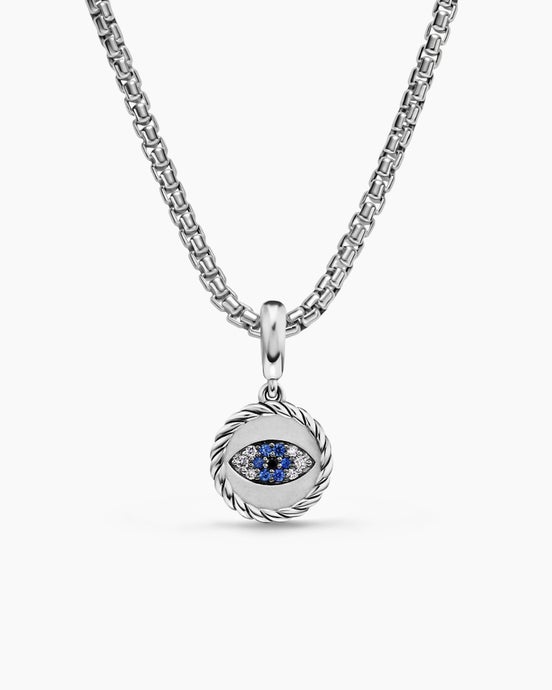
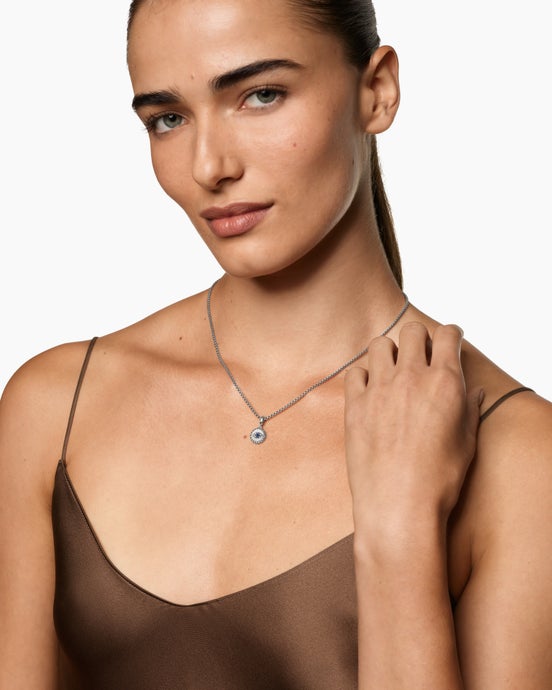
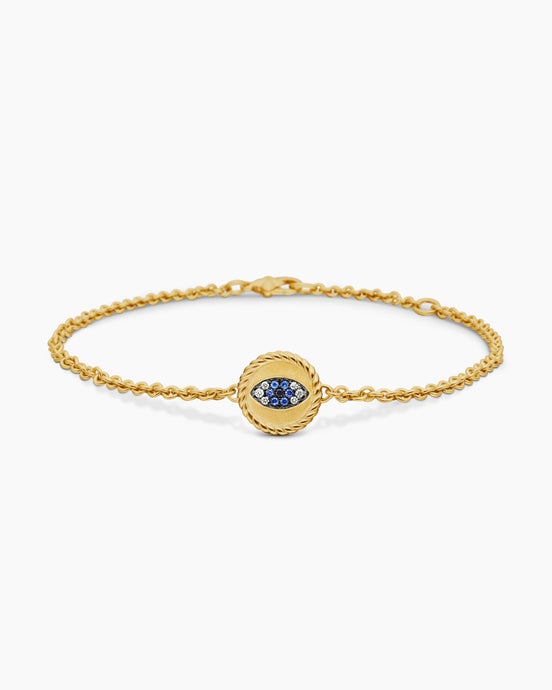
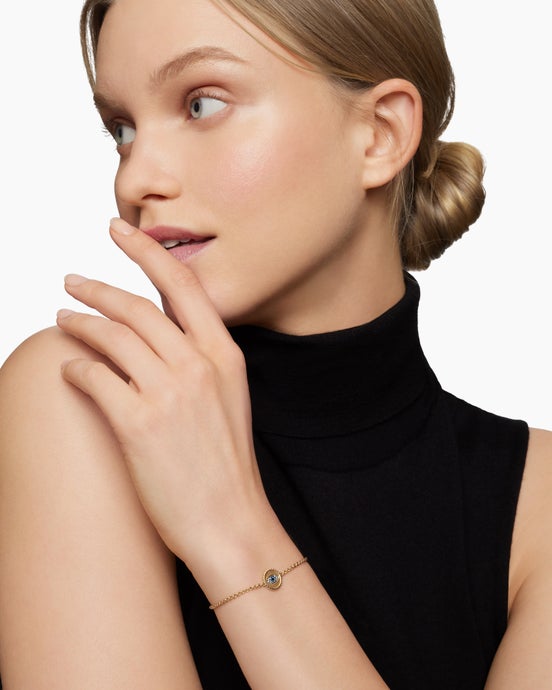
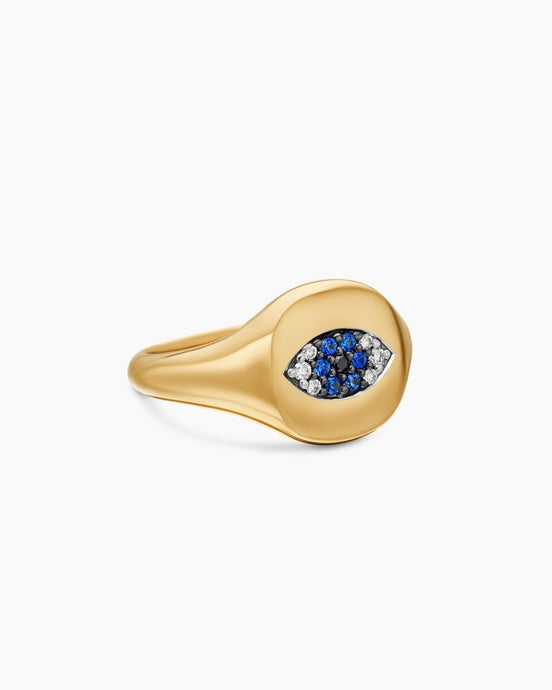
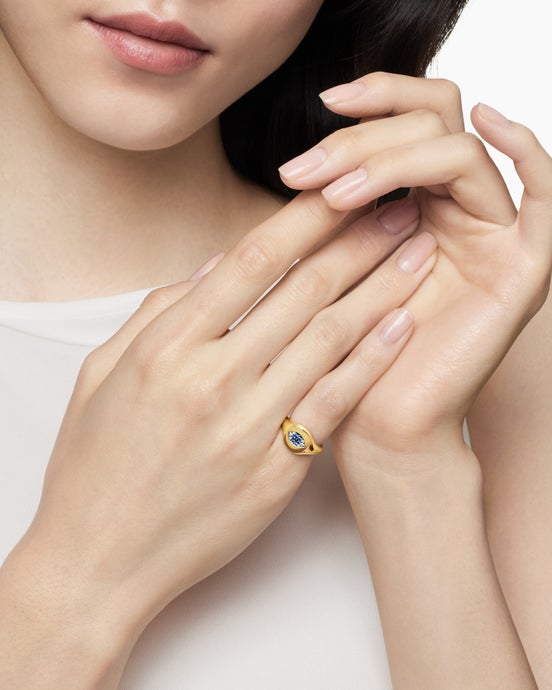
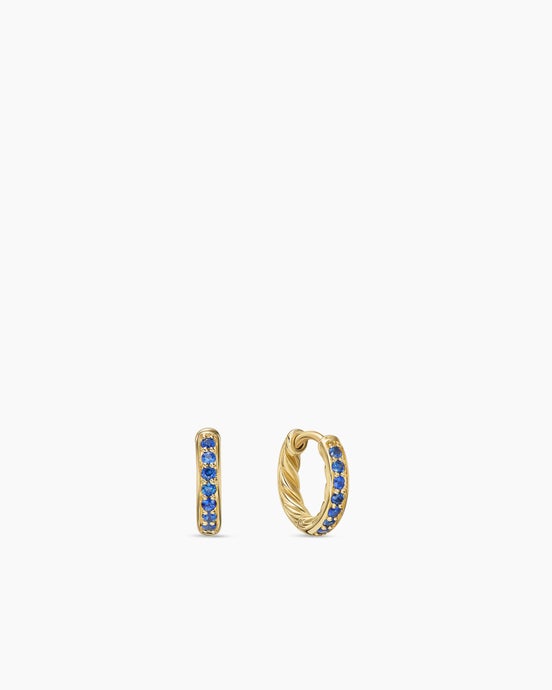
Another variety of corundum, sapphires are popularly regarded as blue yet reflect a kaleidoscope of colors, including pink, purple, orange, and yellow—often referred to as fancy sapphires. The presence of iron and chrome transforms these otherwise colorless crystals into vivid, extraordinarily hued sapphires, as seen in our signature pavé pinky rings. A historical emblem of royalty, the blue sapphire symbolizes loyalty and trust.

Tourmaline

Tourmaline
Color range: Persian rose to lagoon blue
Mohs scale hardness: 7-7.5
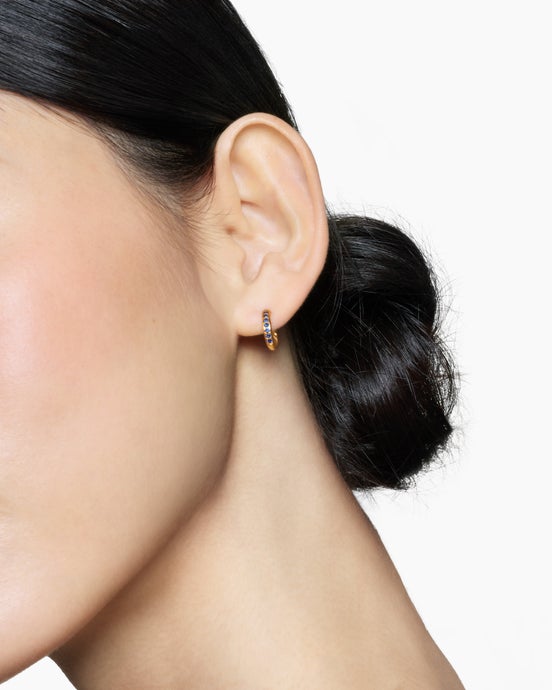
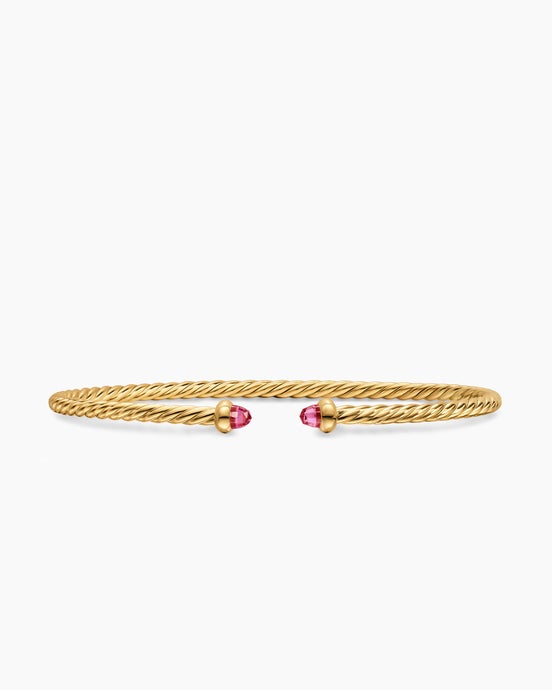
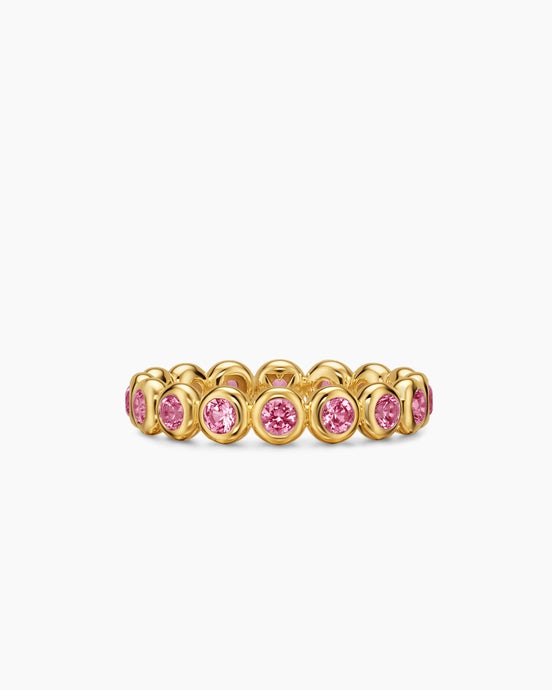
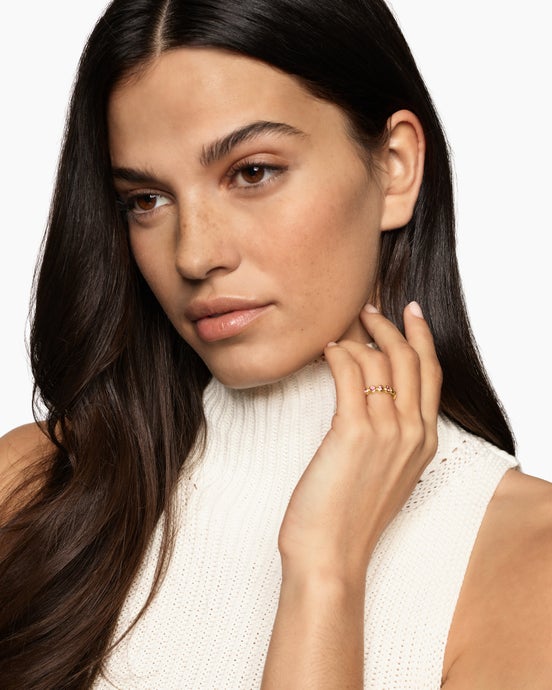
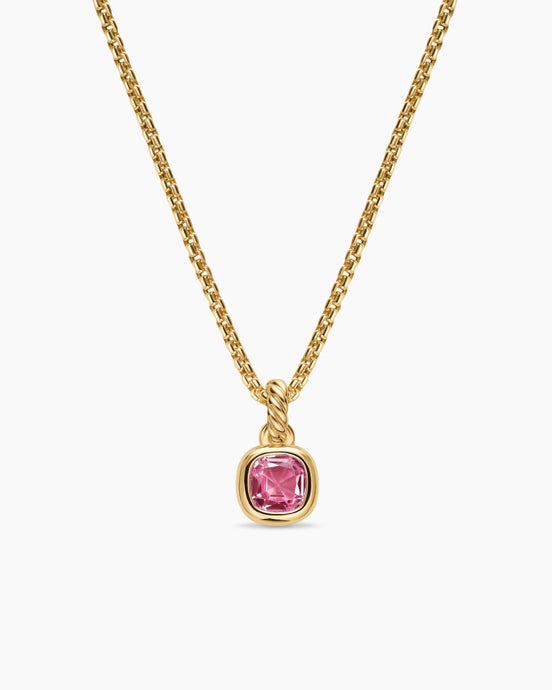
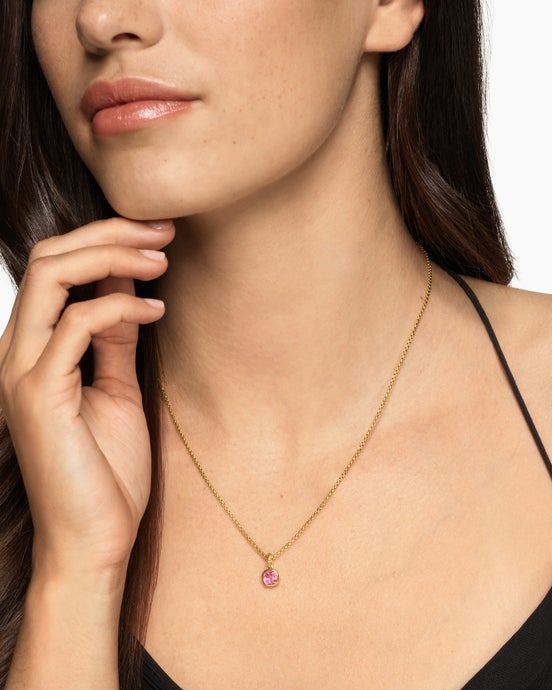
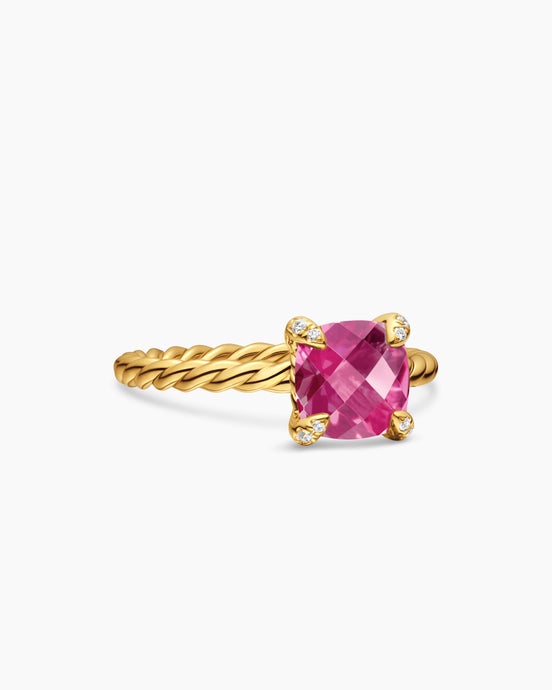
Adapted from the Sinhala word tourmali, meaning “gem pebbles,” tourmaline is valued for its richly saturated colors. Like the garnet, tourmaline appears in different tones and varieties, including vivid pink rubellite and aqua blue indicolite. The Paraíba tourmaline—as featured in our Chevron tags and this Petite Pavé pinky ring—is exceptionally rare and cherished for its glacial blue hue.

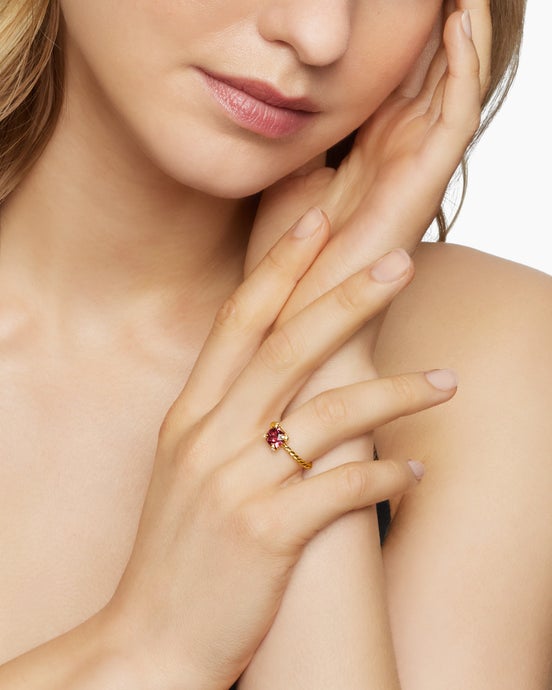
How To Choose Gemstone Jewelry
When choosing gemstone jewelry, it is worth considering both what the stone means and how it looks. You might be drawn to a gem because it represents something personal, like love, strength, protection, or prosperity, or simply because it reflects your style.
Let your favorite colors guide you—whether you gravitate toward vibrant hues, or neutral tones that complement your everyday style—and consider incorporating your birthstone for a personal touch.

Gemstone Jewelry For Everyday Wear
Durability is key when it comes to choosing gemstone jewelry for daily wear. For everyday jewelry, the most suitable stones are typically those with a Mohs hardness of about 7 or higher, as these gems are more scratch-resistant and able to withstand daily wear. While durable, these gemstones still require proper maintenance to preserve their beauty: read our tips on how to care for your gemstone jewelry.
DY MERCER®

CHÂTELAINE®

RENAISSANCE®

albion®

Frequently Asked Questions
What Gemstone Should I Wear?
Choose gemstone jewelry that reflects both your personal style and the qualities you value, from love and protection to strength and balance. Favorite colors and birthstones can also add a meaningful, personal touch to your jewelry collection.
What is The Mohs Scale of Hardness?
The Mohs scale measures a mineral’s hardness, ranking materials from 1 (very soft) to 10 (extremely hard). It is commonly used in gemology to assess the durability of gems and their suitability for different types of jewelry wear.
Does David Yurman Use Real Gemstones?
Yes, David Yurman only uses genuine gemstones. Our fine jewelry designs are expertly crafted with both precious and semi-precious gemstones of the highest quality.
What Are The Best Gemstones For Everyday Wear?
When choosing gemstone jewelry for everyday wear, opt for durable stones like diamonds, sapphires, and rubies in timeless settings that easily transition from day to night.
What's The Difference Between Precious And Semi-Precious Gemstones?
Precious gemstones traditionally refer to diamonds, rubies, sapphires, and emeralds for their rarity and prestige, while semi-precious gemstones include a variety of jewels, such as amethyst, aquamarine, citrine, garnet, topaz, and tourmaline.